The meeting between snow and sun may seem enchanting, but it conceals a latent danger. In the mountains, the fresh air and solar radiation act in tandem on the snowpack, creating conditions conducive to avalanches. Skiers, attracted by the clear sky, may find themselves facing sudden snow slides, turning a radiant day into a true catastrophic scenario. The fragile balance of the snow requires constant vigilance.
In the Southern Alps, the situation is particularly concerning. The current weather has indicated a risk level of 4 out of 5, signaling large-scale avalanches. The advice from experts, such as that delivered by Stéphane Bornet, director of ANENA, resonates with alarming clarity. Skiers, in search of thrills, must approach this natural phenomenon with humility and caution.
Why is the combination of snow and sun risky?
When fresh snow covers the mountains, under the effect of solar radiation, it begins to *humidify*. This combination can create ideal conditions for avalanches, as the snow melts and turns into an unstable mix. This phenomenon, known as “surface humidity,” alters the cohesion of the snow layers. In the Southern Alps, this situation has been termed very dangerous by experts such as Stéphane Bornet, director of ANENA.
This situation is all the more concerning when >strong winds precede the appearance of the sun. This causes a buildup of unstable snow. In the mountains, skiers and hikers must exercise extreme vigilance. Indeed, spontaneous departures of snow slides can occur, putting those who venture off the marked trails in danger. It is a true struggle between the beauty of sunny landscapes and the threat posed by this capricious weather.
What are the consequences of snow humidification?
The humidification of snow can lead to various undesirable effects. Among them are large-scale avalanches, often unpredictable. They can already threaten nearby infrastructure, such as roads and buildings. This risk is particularly present on sunny days following a snowstorm or thick fog, which promotes the destabilization of the snowpack.
On the ground, practitioners often assess the situation based on their skill level, sometimes neglecting the alerts from authorities. Here are some consequences of this situation:
- Triggering of avalanches that can reach several meters, causing material and human damage.
- Traffic congestions, often observed when authorities close roads due to the fear of avalanches.
- Increased pressure on rescue teams, who must intervene regularly for potentially avoidable situations.
How to prepare to avoid avalanches?
Preparation is key to avoiding accidents related to avalanches. Before venturing onto the peaks, it is advisable to check the weather conditions and consult risk bulletins. Using suitable equipment such as ARVs (Victim Search Devices) is essential. But even more crucial is to strengthen one’s own judgment abilities in the field.
To do this, it is important to be aware of the environment and signals that may announce danger, such as strange noises during descent or cracks in the snow. Moreover, taking these elements into account can prevent serious consequences during mountain outings. It is also advisable to practice in groups, which allows for mutual monitoring and sharing of experiences.
What is the recommended advice of experts regarding mountain safety?
Experts advise exercising great caution in the face of changing weather conditions. According to Stéphane Bornet, it is vital to adapt routes, forgo summits if necessary, and remain in a safe zone. The golden rule is to be humble in the face of the challenges that the mountain imposes.
Off-piste areas, although tempting, are often traps. It is better to limit activities to marked ski areas where safety is enhanced. Here are some recommendations to ensure your safety:
- Avoid steep slopes exposed to the sun during peak heat hours.
- Observe other skiers and hikers; if signs of danger appear, it is wise to stay focused.
- Respect the alerts issued by prefectures and mountain professionals.
How to recognize the warning signs of an avalanche?
Detecting the early signs of an avalanche is crucial to avoiding accidents. Among these indicators, the sound of cracking snow can be an alarm signal. Additionally, cracks in the snow, or visible movement of the surface layer, are signs of instability. Being attentive to these elements can make a big difference between a peaceful ski day and a significant danger.
Alert devices, such as probes and victim detectors, help enhance safety during outings. To conclude the picture of protection mechanisms, here are some pieces of advice:
- Follow training on mountain safety.
- Participate in outings supervised by experienced professionals.
- Familiarize yourself with rescue techniques in case of burial.
Why is it wise to follow the recommendations of local authorities?
The recommendations provided by local authorities are based on a thorough analysis of weather conditions and snow stability. According to ANENA and Météo France, these alerts allow for a better assessment of potential risks. During periods of high attendance, experts constantly adjust their opinions to provide reliable results. Ignoring this advice can lead to perilous situations.
It is also advisable to consult specialized websites for a better understanding of current conditions, as well as for informed decision-making. Furthermore, referring to evaluation and risk assessment tools, such as those provided by Météo France, is essential for optimal preparation. Here are some key points to remember:
- The composite alert bulletins include information on snow solicitation.
- The advice from avalanche experts is regularly updated.
- Awareness of avalanche risk helps reduce accident rates in the mountains.
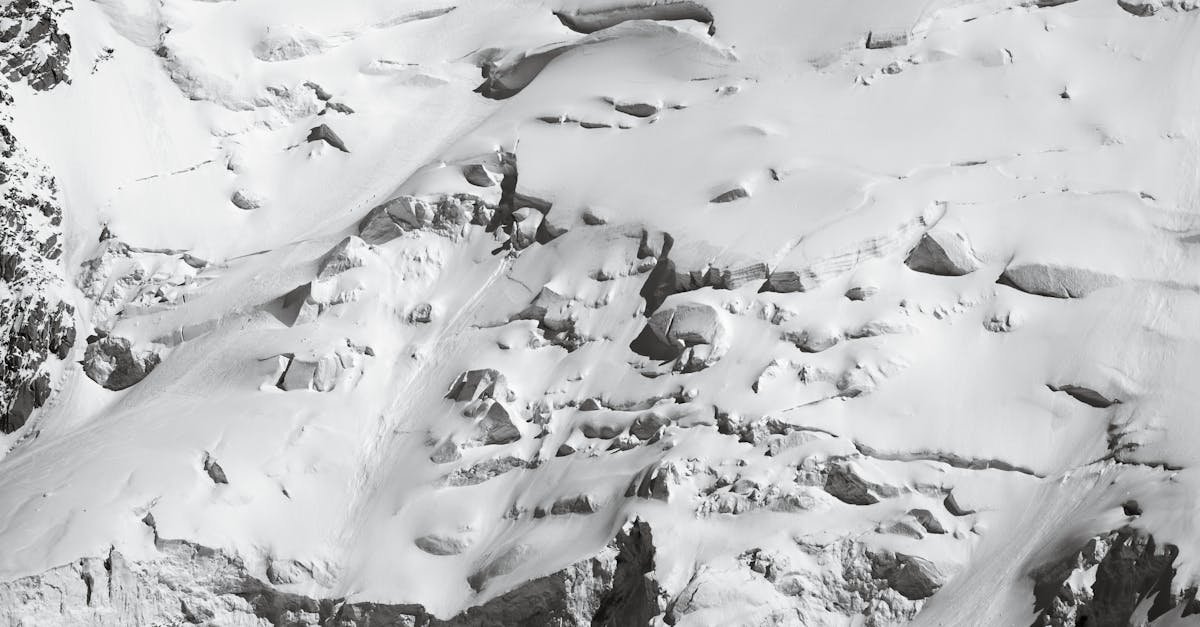
The combination of fresh snow and sun may seem appealing to winter sports enthusiasts, but it represents an increased danger. When freshly fallen snow begins to warm up under the effect of solar rays, the risk of avalanches becomes significant. Weather conditions can create an unstable environment, where the snow layer does not stabilize quickly. This phenomenon can lead to spontaneous avalanche departures, endangering the lives of those practicing in the mountains.
It is crucial that hikers and skiers become aware of the unpredictable nature of the mountain. Adventuring off marked trails may seem enticing, but it carries major risks. Experts recommend a cautious approach: assess the snow conditions, follow the advice of professionals, and, above all, be ready to forgo a trip if conditions are deemed dangerous.
Adopting an attitude of humility in the face of the mountain is fundamental. Safety must always take precedence over the desire to enjoy the snow. By staying informed and respecting recommendations, it becomes possible to enjoy the pleasures of the mountain while maintaining safety.