The world of luxury is being redefined through experiences that transcend the simple product. The mixologist Matthias Giroud explores this trend by creating signature cocktails for prestigious brands. In a context where every detail matters, these liquid creations become an invaluable asset to assert the identity of a house. With passion, he emphasizes how an experiential cocktail can strengthen the emotional bond between a brand and its customers, opening the door to new dimensions of luxury.
How does an experiential cocktail make a difference for a luxury brand?
Luxury brands are constantly seeking to differentiate themselves in a competitive market. An experiential cocktail represents a valuable opportunity for companies wishing to offer their customers a memorable experience. According to Matthias Giroud, a recognized mixologist, integrating a cocktail into a brand’s identity allows for a strong emotional connection with the consumer. The drink, far more than just a mixture of ingredients, reflects the brand’s DNA and contributes to its image.
This process is not limited to creating a recipe. It requires a deep understanding of the brand’s values and history. Customers can thus thrive in front of a drink that tells a story, allowing them to immerse themselves in the universe of the house. Moreover, cocktails provide a way to stimulate the senses, as aromas, textures, and visuals play a significant role in the experience perceived by the consumer. The result: increased loyalty and strengthened recognition in the market.
How does a mixologist create a signature cocktail?
The creation of a signature cocktail is a meticulous process that begins with a research phase. Matthias Giroud infuses his creativity by immersing himself in the universe of the brand that has approached him. He often visits the place, observes, interviews, and discovers the house’s history. This preparatory phase allows him to select ingredients that will resonate with the brand’s identity and its audience.
Once the ingredients are chosen, it’s time to move on to the next step: choosing the container and assigning an evocative name. Every detail matters, as it influences customers’ perceptions. Testing with a target audience is the last step before launch. Most of the time, these creations impress without needing modifications. The quality of the preparation is then corroborated by increased attention to detail, making the experience even more meaningful.
What role do consumption trends play in this process?
Current trends, particularly the growing interest in non-alcoholic cocktails, are significantly shaping the luxury beverage industry. More and more customers are seeking healthy alternatives without sacrificing a refined tasting experience. Matthias Giroud emphasizes that the evolution of consumer expectations has paved the way for this new way of considering cocktails.
Brands must adapt to these changes to remain relevant. This involves diversifying offerings by integrating non-alcoholic recipes that appeal to a broad audience. All of this contributes to reinforcing the brand’s identity while providing customers with a new approach to cocktail appreciation. This movement towards more inclusive options reflects a societal evolution in the context of alcohol consumption.
How does cocktail personalization enrich the customer experience?
Good personalization allows brands to get even closer to their customers. Offering a custom cocktail, tailored to personal tastes and preferences, contributes to an unforgettable experience. This approach transforms a simple beverage consumption into a moment of sharing, where the customer feels recognized and valued.
- Adapting ingredients according to customers’ preferences
- Creating a strong identity through recipes
- Opportunity to create memories through special occasions
- Strengthening brand loyalty through authentic experiences
Why is the liquid experience an asset for the luxury sector?
The luxury sector stands out for its ability to offer unforgettable experiences. By integrating a signature cocktail into their offerings, brands create a new space for expression where art and gastronomy meet. This phenomenon constitutes a strong added value that appeals to many consumers.
Matthias Giroud observes that this strategy brings brands closer to their clientele by placing them at the center of the experience. Cocktails associated with luxury brands become true symbols of distinction, thereby strengthening the brand narrative. This creates an ecosystem where the customer does not merely consume a product but participates in a rich and engaging experience that lasts well beyond the moment of consumption.
What is the future of cocktails in the luxury world?
Looking ahead, Matthias Giroud believes that the future of cocktails in the luxury sector is promising. The notion of personalization and customer experience will continue to dominate, and brands will increasingly seek to cultivate loyalty through experiential marketing strategies. Non-alcoholic cocktails will gain in popularity, reflecting a global awareness of health and well-being.
Innovations in ingredients and mixology techniques will also be at the heart of this evolution. The search for new flavors and sensory experiences will encourage mixologists to constantly innovate. This could also generate interest in exclusive and artisanal products, further enhancing the sparkling and refined image of luxury brands.
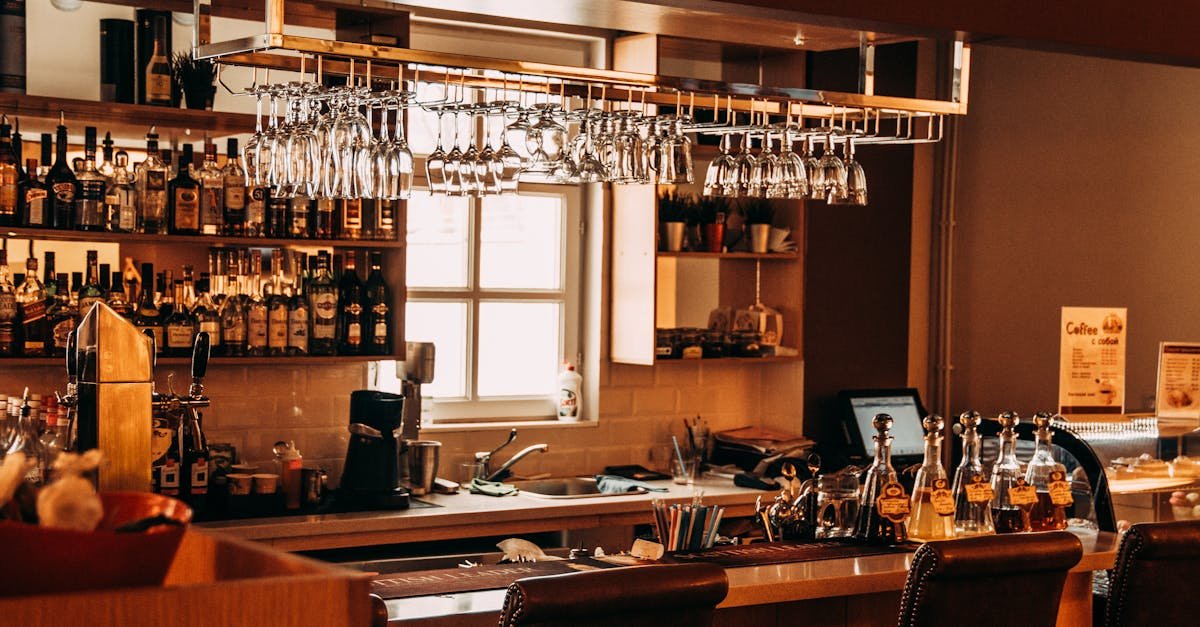
Custom cocktail creations represent a true asset for luxury brands, as explained by Matthias Giroud. By integrating a signature cocktail into their offering, these brands enrich their identity while providing a sensory experience for their customers. This commitment to personalized service reinforces perceived value and creates a strong emotional bond with the consumer.
The process of creating these cocktails, which requires immersion in the brand’s universe, demonstrates the importance of a tailored approach and strategy bespoke. Brands strive to stand out by offering flavors that reflect their DNA, making each cocktail not just a drink, but also a symbol of their commitment to excellence.
Additionally, the emergence of non-alcoholic cocktails illustrates an adaptation to the new expectations of consumers, showing that the market is constantly evolving. With creations that cater to all generations, the cocktail becomes a vehicle for know-how to share, transcending and crossing boundaries. In summary, investing in an experiential cocktail is a flavorful approach for luxury brands, a true journey into the heart of their essence.