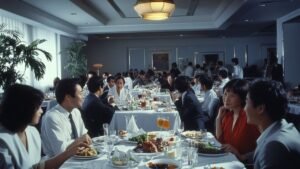
In a small street in Persan, an Italian buffet restaurant was making its customers happy. However, recent health inspections have highlighted a concerning reality. During an inspection conducted by the authorities of Val-d’Oise, serious violations were found, revealing the presence of pests within the establishment. The details of this alarming situation raise questions about hygiene and food safety at the heart of this kitchen.
What were the results of the health inspection at the Italian restaurant?
The health inspection conducted on April 1, 2025, revealed serious failures in hygiene regulations at Bellagio restaurant, located in Persan, in the Val-d’Oise. Inspectors from the Departmental Directorate for the Protection of Populations (Ddpp) found the presence of pests in various parts of the establishment. Among the violations identified were food products that had passed their expiration date. This alarming situation led to the administrative closure of the establishment, despite positive reviews and numerous praises from customers.
The inspectors also highlighted inappropriate storage conditions and non-compliant temperatures for some foods. Indeed, several food items were stored in conditions that could increase the risk of contamination. This raises legitimate questions about the procedures in place in restaurants that display such hygiene issues. The report clearly indicated that these failures make the establishment dangerous for public health.
What types of pests were found in the restaurant?
The presence of pests in a restaurant is a major concern for consumers. In the case of Bellagio restaurant, inspectors reported finding mouse droppings and cockroaches, both alive and dead. Such findings are unacceptable and must be dealt with the utmost seriousness. It is essential for restaurateurs to be attentive to warning signs that are often visible before an infestation becomes uncontrollable.
Here are some common signs of infestation to watch for in a restaurant:
- Presence of droppings in kitchens and storage areas
- Reports of unusual odors coming from the premises
- Obstacles to sight and movement, such as unmanaged waste
- Customer reports complaining about pest-related issues
- Inspection of plumbing and drainage often neglected
What violations were noted during the inspection?
During the inspection, a wide range of violations was identified, highlighting a blatant lack of compliance with hygiene standards in force. In addition to expired products, Ddpp agents noted that some foods were stored at inappropriate temperatures, which increases the risk of food poisoning. The conditions under which these foods were presented and served are unacceptable, especially in an establishment where customer trust is paramount.
Restaurateurs are advised to follow these practices to avoid similar problems:
- Regularly conduct internal hygiene checks
- Train staff on food storage and handling standards
- Maintain a healthy and pest-free environment
- Implement strict monitoring of expiration dates
- Proactively assess contamination risks in the restaurant
How does this situation affect loyal customers?
Customers who regularly visit the Bellagio restaurant are surprised by the results of this inspection. Many of them frequently praised it for the quality of its cuisine, its all-you-can-eat buffets, and the warm atmosphere of the place. Unfortunately, these hygiene violations risk disappointing these loyal customers and tarnishing the restaurant’s image. Customers have the right to expect a healthy environment during their dining experience.
It is easy to forget that positive customer reviews can sometimes hide darker realities. With a rating of 4/5 on Google and comments such as “fresh and quality buffet products,” there is no doubt that the reputation of Bellagio is being undermined by these revelations. This highlights the importance of ensuring that any business adheres to the standards that are so precious to its clientele.
What is the procedure to follow after administrative closure?
Following this closure, the restaurant is required to take corrective measures to reopen in compliance with hygiene standards. This often involves significant work to eliminate pests and sanitize the various preparation and service areas. The prefecture of Val-d’Oise has clearly stated that the administrative closure will end once the establishment complies with health requirements.
Owners must:
- Hire specialized professionals to address infestation issues
- Review their hygiene and food safety practices
- Assess the overall condition of the premises and make necessary renovations
- Retrain staff on hygiene standards
- Submit a request for reevaluation to the Ddpp to regain the right to operate
What lessons can be learned from this closure?
The suspension of Bellagio’s activity raises important questions about restaurant management in terms of hygiene. This case illustrates how necessary it is to implement regular monitoring and preventative practices to avoid health issues. Restaurateurs must learn from this situation to ensure the safety of their customers and prevent such consequences.
Beyond mere compliance, a restaurant’s reputation depends on its ability to guarantee safe service conditions. The importance of maintaining a spotless environment should never be underestimated, as it directly impacts customer satisfaction and the overall appeal of the restaurant. In similar cases, a quick response can help rectify the situation and prevent other establishments from suffering the same ailments.
The administrative closure of the Italian buffet restaurant Bellagio, located in Persan in the Val-d’Oise, highlights serious failures to meet hygiene standards. Inspections conducted by the Departmental Directorate for the Protection of Populations (Ddpp 95) revealed an alarming situation, with pests present, such as cockroaches and mouse droppings. These findings underscore the risk to public health, potentially leading to food poisoning cases.
Despite favorable evaluations from customers, the reality in the kitchen was quite different. Food products, stored in inappropriate conditions, with some expiration dates passed, illustrate the importance of regular health inspections. These inspections help ensure that establishments comply with standards and thus offer meals that are safe for consumers.
It is not enough to have a good rating to ensure food safety. Vigilance must remain paramount, both from restaurateurs and customers. This case should prompt other establishments to take hygiene standards seriously to avoid falling into similar situations.