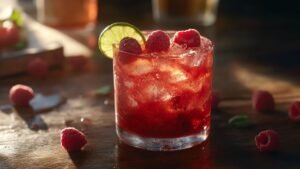
Each sip of Pisco Sour evokes a complex heritage, where traditions and rivalries intertwine. This iconic cocktail, born on the lands of Peru, has become the symbol of a historical dispute between Chile and Peru, each claiming parenthood of this elixir. Let’s explore together the secrets of this drink and the cultural stakes that surround it, shedding light on the tensions that simmer beneath the surface of the glasses.
What are the origins of Pisco Sour and why is it so special?
The Pisco Sour has its roots in Peru, where this cocktail emerged in the 1920s thanks to an American bartender, Victor Morris. Settled in Lima, Morris created this drink by combining Pisco, a grape brandy, with fresh lime juice, sugar, and an egg white. This mixture gave birth to a cocktail that quickly became iconic. There are many debates about Chilean or Peruvian pisco, making the Pisco Sour even more fascinating for beverage enthusiasts.
The authenticity of its ingredients alone is enough to make this drink legendary. Each country has its specifics, both in grape growing and distillation methods. The grapes used, as well as the production process, impart distinct flavor nuances to the various piscos. In Chile, pisco is often aged in barrels, while in Peru, this process is prohibited. This distinction fuels a rivalry between the two nations, each claiming its pisco is the best.
Why is Pisco at the center of a historical dispute between Chile and Peru?
The war over Pisco is not new. In 1931, Chile began claiming parenthood of this spirit, leaving Peru in confusion. This dispute intensified when Peru received UNESCO recognition of manuscripts attesting to pisco production between 1587 and 1613. The tensions over this appellation of origin continue to spark passionate discussions in the culinary establishments of both countries.
Pisco is more than just a spirit; it embodies a question of national identity, influencing social and economic elements. Argentines and Chileans continue to argue to prove their legitimacy. This rivalry has repercussions on exports, with each country wishing to maximize its revenues through international recognition. Peru, for instance, has seen its Pisco exports rise to nearly 7 million euros, while Chile generates about 3 million euros.
How to enjoy a Pisco Sour and what are its variations?
The Pisco Sour is mainly enjoyed in recommended bars and restaurants in both countries. Although the original recipe is often honored, many variations have emerged, each adding a unique touch to the experience. Generally, the preparation follows these steps:
- Amount of Pisco used (about 60 ml)
- Add *lime juice* (about 30 ml)
- Incorporate *simple syrup* (15 ml)
- Use an egg white for a frothy texture
- Ice cubes to chill the mixture
Some mixologists offer alternatives with tropical fruits or spices to incorporate different flavors. A common variation is the Mango Pisco Sour, which modifies the classic cocktail to provide extra sweetness. This openness to creativity allows the Pisco Sour to continue captivating new palates and adapting to different gastronomic contexts.
What is the opinion of consumers on Pisco from both sides?
Consumers are divided on the choice between Chilean Pisco and Peruvian Pisco. In Santiago, many are passionate about Chilean distillation, praising the strength of its aromas. Eduardo, a city resident, insists that using Limon de Pica lemons enhances the flavor of Chilean Pisco Sour. For him, the quality of this drink lies in the robustness of the pisco used. This debate is even reflected in establishments where choices of piscos showcasing Chilian-Peruvian culinary traditions clash.
Conversely, lovers of Peruvian Pisco argue that its sweetness and balance make it the ideal choice for a refreshing cocktail. While enjoying the iconic Pisco Sour, Horacio, a fervent supporter of Peruvian Pisco, claims that the finesse of this pisco makes it an unparalleled tasting experience. These opinions reflect the pride attached to the culture of each country, linking national identity to this famous cocktail.
What are the economic stakes related to Pisco production?
Beyond cultural conflicts, Pisco plays a significant role in the economy of both countries. Pisco exports represent substantial income, particularly for Peru, which dominates the market with sales reaching nearly 7 million euros, compared to 3 million for Chile. Exporting this spirit has become a strategic issue for the governments of these countries, seeking to expand their influence on the international market. More specifically, most exports go towards foreign markets such as the United States, Japan, and Spain.
Interestingly, this rivalry has also led to a degree of isolation on the global market. Instead of collaborating to promote their spirit, the two countries focus on lawsuits and legal disputes. This strategy could hinder Pisco from achieving global recognition. Jérôme, a French restaurateur long established in Chile, points out that this war impedes the development of this spirit beyond their borders. This highlights that, despite their passion for their product, unity could bring more long-term benefits.
How has Pisco Sour evolved in popular culture?
The phenomenon of Pisco Sour transcends simple geographical boundaries. Today, it is sipped in various bars around the world, far beyond its countries of origin. Many establishments, like Chipe Libre, encourage mixologists to create variations that integrate modern notes and more contemporary trends. Thus, this cocktail has become a true ambassador for Peruvian and Chilean traditions.
The impact of Pisco Sour on popular culture is also evident in events. Every first Saturday of February, food lovers around the world celebrate a day dedicated to this cocktail. This celebration is marked by festivals, promotions in bars, and various preparation workshops. These events stimulate a growing interest in Pisco and, consequently, a greater awareness of its historical and cultural stakes. This reflects a real dynamic that goes well beyond historical rivalries. This evolution also opens up perspectives for future cooperation, allowing culinary pleasures to transcend conflicts and unite.

The Pisco Sour, beyond being an iconic cocktail, embodies deep cultural roots and ongoing tensions between Chile and Peru. The dispute over the parenthood of this spirit highlights historical rivalries that fuel debates within these two nations. Each claiming its legitimacy, this dispute is not limited to a simple gastronomic issue but touches on the very identity of these countries.
By exploring the different recipes of Pisco Sour, one realizes that the choices of ingredients, such as the type of lemon or pisco, are tinged with national pride. The differences in the production of this spirit, such as the use of wood in Chile, add another layer of complexity to this rivalry. Thus, this cocktail becomes a reflection of the cultures of both countries, while being at the heart of economic disputes that hinder their export potential.
Ultimately, the celebration of Pisco Sour should not be reduced to a conflict. It would be wise to see it as a symbol of unity and sharing, allowing for the transcendence of historical divides within this region rich in traditions.