

Pizza is much more than just a simple dish; it’s a celebration of flavors, a moment of sharing and conviviality. Each bite tells a story, evoking ancestral traditions and carefully selected ingredients. Whether you like it classic or revisited, pizza always adapts to the seasons and cravings.
Imagine a Margherita pizza, with its crispy crust, juicy tomato sauce, and melting mozzarella. Fresh basil, placed just before serving, adds a touch of elegance, making this creation simply irresistible. It symbolizes the culinary art of Naples, but in every corner of the world, each pizzeria tries to explore new flavors and combinations.
With each season, pizza reinvents itself. In winter, it is adorned with foie gras, boudin blanc, and apples, offering a warm harmony of tastes. When the beautiful days come, it is topped with fresh vegetables, buffalo mozzarella, and pesto, inviting an outdoor feast. The diversity of recipes makes us realize that pizza is a feast of flavors that knows no boundaries.
Why is pizza so loved around the world?
The pizza has conquered the hearts of many countries, transcending cultural boundaries thanks to its varied flavors and its ability to adapt to local tastes. Wherever you are, there is probably a pizzeria nearby, offering recipes that highlight the typical ingredients of each region. For example, in France, it is not uncommon to find variants topped with goat cheese or ratatouille. In New York, pizza is often served in generous slices, topped with rich tomato sauce and gooey mozzarella. This versatility allows pizza to be enjoyed by everyone, whether you prefer classic recipes or bolder combinations.
The ingredients also play a significant role in this popularity. The most common toppings have become real stars:
- Tomatoes: an essential and refreshing base.
- Cheese: mozzarella is often queen, but other cheeses like gorgonzola also join the mix.
- Herbs: fresh basil or dried oregano, they enhance the flavors.
- Vegetables: peppers, onions, zucchinis add a touch of color and crunch.
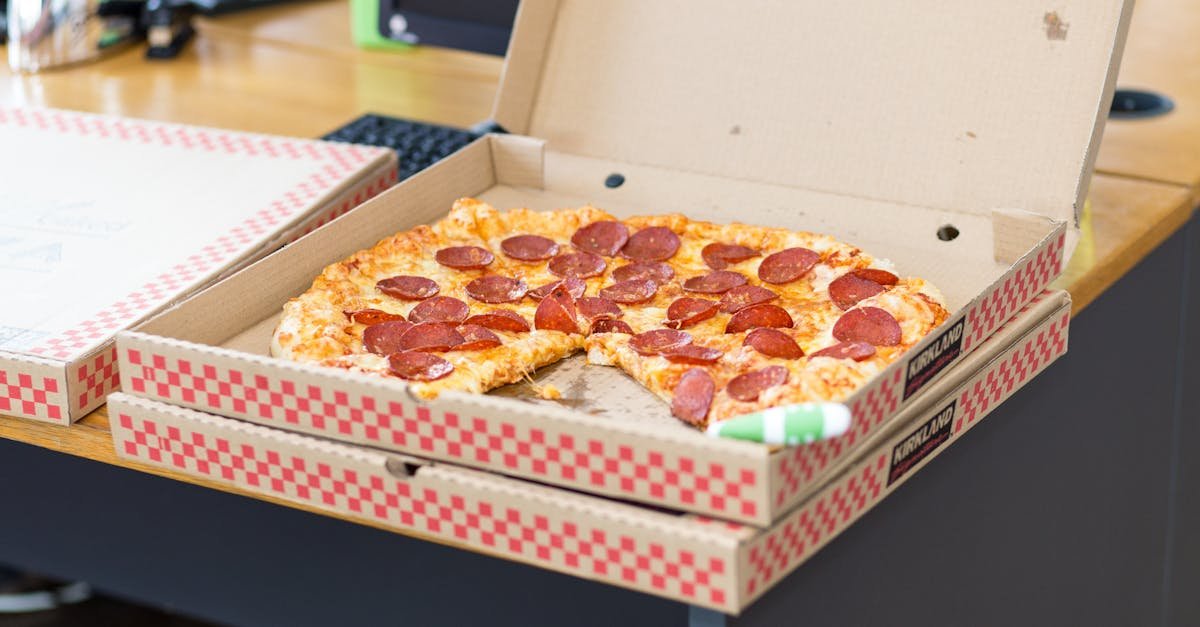
- Meats: from ham to pepperoni, each bite is a delight.
What are the origins of this Italian specialty?
The pizza finds its roots in Naples, where it emerged in the early 18th century. Historically, it was considered a dish for modest people, sold in the streets and consumed simply. The first pizzas were just bread dough topped with a few basic ingredients, but over time, the recipes evolved. The famous Margherita pizza, named in honor of Queen Margherita of Savoy, came to life in the 19th century. It consists of tomatoes, mozzarella, and basil, symbolizing the colors of the Italian flag. Each bite tells a story, that of Neapolitans attached to their culinary heritage.
The influences of other countries have also shaped the pizza. Over the decades, Italian immigrants brought their recipes to the United States, where pizza took on a new dimension. Currently, regional styles have emerged, such as deep dish pizza in Chicago or New York-style pizza. These adaptations enrich the tradition while offering a new way to enjoy this specialty.
How do flavors diversify around the world?
The pizza transforms in every corner of the globe, incorporating local ingredients that bring a unique touch. Thus, pizza becomes a witness to the culinary traditions of each culture. In some Asian countries, you might find toppings such as shrimp or pineapple. Fresh product lovers will appreciate options like vegetarian pizzas, often garnished with seasonal vegetables. Oriental flavors are also present, with toppings like falafel or couscous, offering a different tasting experience.
Moreover, the end-of-year holidays bring their share of festive creations! For example, unexpected combinations like foie gras, boudin blanc, and apple can be found in some pizzerias during Christmas, a beautiful way to marry traditions and contemporary flavors. Each region knows how to celebrate pizza with its own styles. There are numerous variants that deserve to be discovered:
- Hawaiian pizza: combining pineapple and ham.
- Salmon pizza: often served on a crème fraîche base.
- Truffle pizza: guaranteed sophistication with this premium ingredient.
- Mexican pizza: flavored with jalapeños and queso cheese.
- Sweet pizzas: topped with Nutella, fruits, or even whipped cream for sweet lovers.
Why is pizza a social and friendly experience?
Sharing a pizza is a deeply friendly act. During dinners among friends or family, pizza becomes the dish around which everyone gathers. The act of cutting a pizza into equal slices, passing it to neighbors, and exchanging favorite toppings fuels exchange and complicity. This moment, far from being trivial, invites discussion and shared memories. Children are particularly fond of it: theme pizzas, for example, are part of joyful moments during birthday parties, where surprising shapes and colors awaken the imagination.
In many cultures, pizza symbolizes a moment of sharing. Whether it’s a quick meal during the week or a festive meal on the weekend, it appeals to everyone. Here are some examples where pizza becomes the heroine of the evening:
- Friends’ night out: where everyone orders their favorites.
- Family dinner: to prepare together, where everyone can add their touch.
- Picnic: easily transportable and to be enjoyed in nature.
- Festive events: such as birthdays or various celebrations where pizza is invited.
- Home meal: with deliveries to ensure pleasure without effort.
How to prepare a pizza at home to delight guests?
Making homemade pizza is increasingly appealing. Spreading the dough, topping it according to your desires, and finally, baking to savor together is a beautiful alternative to rediscover the joy of cooking while sharing a convivial moment. The creative aspect of pizza allows for testing atypical combinations, thanks to a solid base: the dough. The classic recipe can be made with flour, water, and yeast. Surprisingly, the necessary tools remain minimal, and the magic happens with each person’s know-how and imagination.
Before you embark on this adventure, here are a few tips to ensure culinary success:
- Choose good flour: sourdough flour is great for an airy texture.
- Make homemade tomato sauce: simple and tasty, it enhances the pizza.
- Don’t hesitate on the toppings: be original and explore new flavors.
- Be patient: letting the dough rest improves its texture.
- Preheat the oven to high temperature: this detail allows for a crispy crust.
What place does pizza occupy in modern gastronomy?
The pizza is undergoing a gradual transformation and integrating into modern gastronomy. Star chefs are taking a close interest, offering high-end versions. They combine refined ingredients: truffles, smoked salmon, and other seasonal delicacies. The pizza is no longer limited to traditional recipes but becomes a playground for experimentation. What you can find today in some pizzerias can sometimes be surprising. For example, a pizza in a gourmet restaurant may be reimagined with buffalo mozzarella, edible flowers, and first-press olive oil.
Current trends lean towards healthier recipes, with dough made from whole wheat flour, gluten-free alternatives, and toppings consisting of various vegetables. A breath of fresh air is blowing over pizza, transforming it from what was once considered a street dish into a true culinary masterpiece in its own right. Chefs and restaurateurs are also engaging in a locavore approach, prioritizing local ingredients, thus creating a real connection between producers and consumers. By visiting gastronomic fairs, such as the Saveurs des Plaisirs Gourmands fair, we observe a celebration of this fusion between tradition and modernity.
| Type of Pizza | Associated Flavors |
| Margherita Pizza | Fresh tomatoes, mozzarella, basil |
| Quattro Stagioni Pizza | Artichokes, ham, mushrooms, olives |
| Seafood Pizza | Shrimp, squid, garlic, parsley |
| Rustica Pizza | Potatoes, sausages, rosemary |
| Hawaiian Pizza | Ham, pineapple, cheese |
| Vegetarian Pizza | Zucchini, peppers, olives, feta |
| BBQ Pizza | Barbecue sauce, chicken, caramelized onions |
The pizza truly embodies a feast of flavors that brings families and friends together around a table. Each bite is a celebration, whether it’s a classic Margherita pizza, made of tomato, mozzarella, and basil, or a bolder creation, combining various ingredients like foie gras and boudin blanc. The relationship between tradition and innovation is deeply rooted in the culture of pizza.
In summer, the pizza transforms into a true seasonal platter, highlighting fresh and local ingredients, which provide a pure and authentic taste. With choices ranging from appetizer pizzas to sweet options for dessert, every moment becomes a memorable culinary experience. The fairs and events that celebrate pizza, such as the Saveurs des Plaisirs Gourmands fair, bear witness to this.
With such diversity, it is not surprising that pizza is enjoyed worldwide, as evidenced by the increasing number of artisanal pizzerias and food trucks. Each bite tells a story, a cultural heritage, a culinary tradition that deserves to be savored and shared with loved ones.
Frequently Asked Questions about Pizza: A Feast of Flavors!
Pizza has its roots in Naples, where it was created in the 18th century. The recipe for Margherita Pizza, with its base of dough, tomatoes, mozzarella, and basil, is emblematic of this tradition.
Variations of pizza are numerous and reflect regional flavors. There are pizzas with toppings ranging from fresh produce, such as vegetables and meats, to more exotic combinations.
For a good pizza dough, it is necessary to use quality flour, water, yeast, and salt. The kneading time and fermentation are also crucial to achieve the desired texture.
Essential ingredients include mozzarella, tomatoes, basil, and olive oil. Each addition, like mushrooms, olives, or charcuterie, brings a particular touch to the recipe.
Absolutely! By using seasonal products, it is easy to create pizza variations suited to each time of year, from spring to winter.
Yes, pizza can be customized to meet various diets, including vegetarian, gluten-free, or vegan options. Ingredient substitutions allow for satisfying many tastes.
Pizza is delightful at any time, whether during a family dinner, a barbecue with friends, or even for a movie night. It suits all festive occasions!


